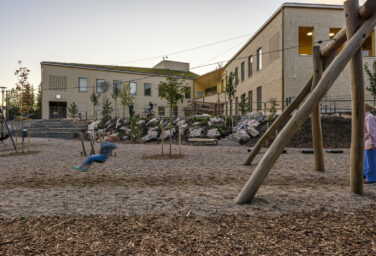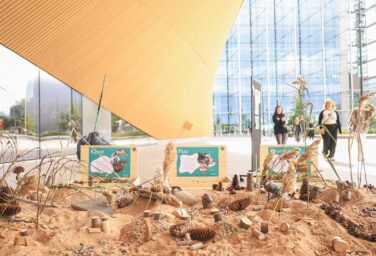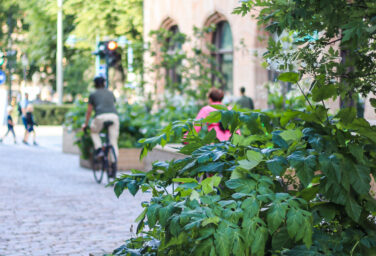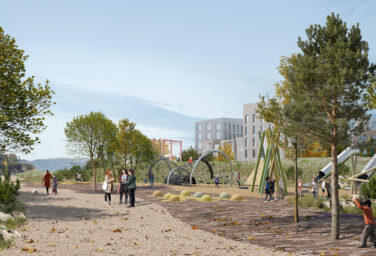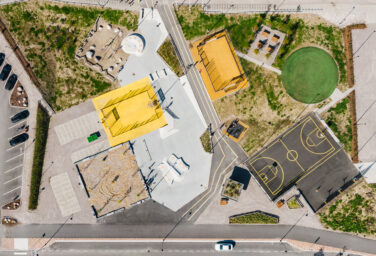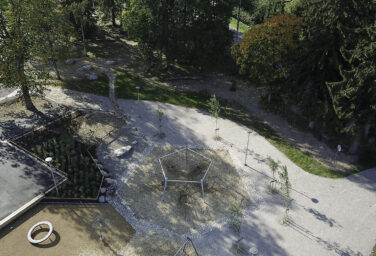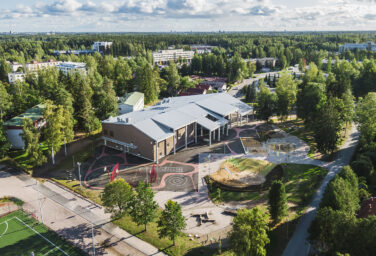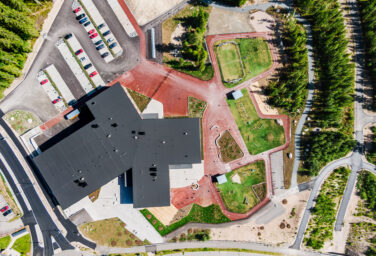
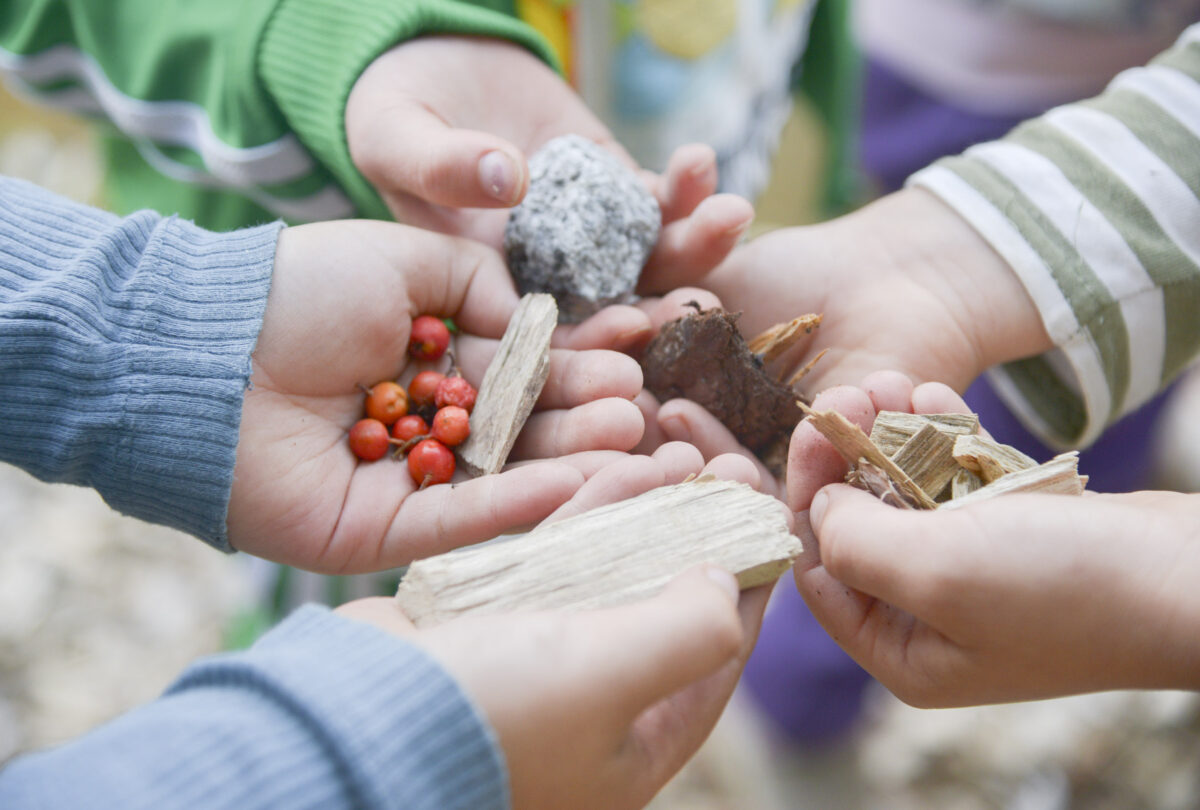
Alku is a child-friendly design method developed by Nomaji that places children’s rights and holistic wellbeing at the heart of the design process. The method is based on our diverse experience in designing learning and urban environments. It can be applied to the design and development of all built environments. Alku, meaning ‘beginning’ in Finnish, emphasises that when the environment supports children’s well-being, it benefits the entire community.
Alku offers concrete analysis and participation tools and design solutions that help put children and young people at the centre of planning. Participation is at the core of the Alku method; children’s perspectives bring fresh ideas and everyday expertise into the design process. Children and young people are not seen only as future adults, but as active citizens of the present. The method is adaptable to various scales, from urban planning to the implementation of outdoor spaces. A child-friendly city is designed on nature’s terms, building spaces where natural processes and the needs of humans and other species meet.
Alku is based on four key principles: enabling contact with nature, play and spontaneous movement in everyday environments, and creating together.
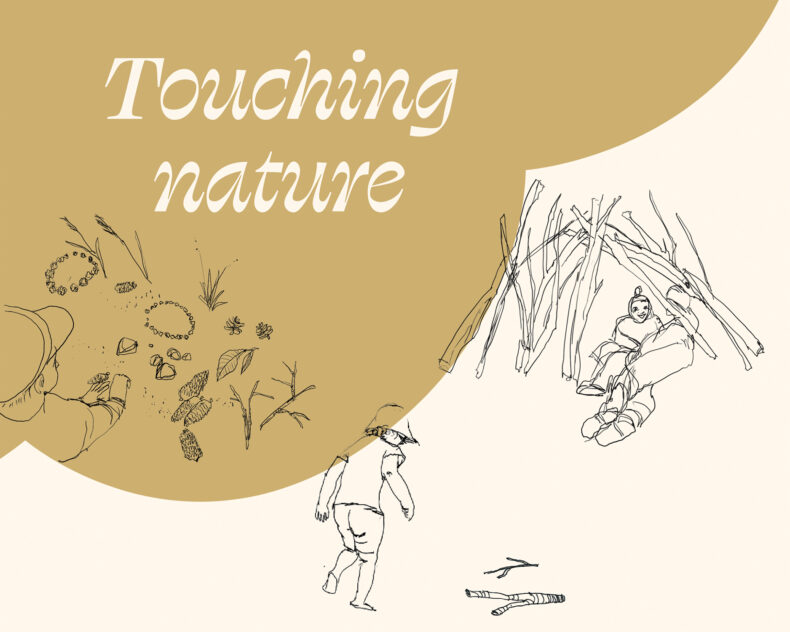
Touching nature
Research constantly provides more information about the positive effects of regular contact with nature on, for example, the development of the immune system. Spending time in nature benefits a child’s body and mind, and encourages them to move, play and learn. At its best, contact with nature can create a meaningful relationship with nature, in which responsibility and participation in caring for one’s own environment develop by themselves. Contact with nature in the city can be strengthened by improving the accessibility and attractiveness of nature areas.
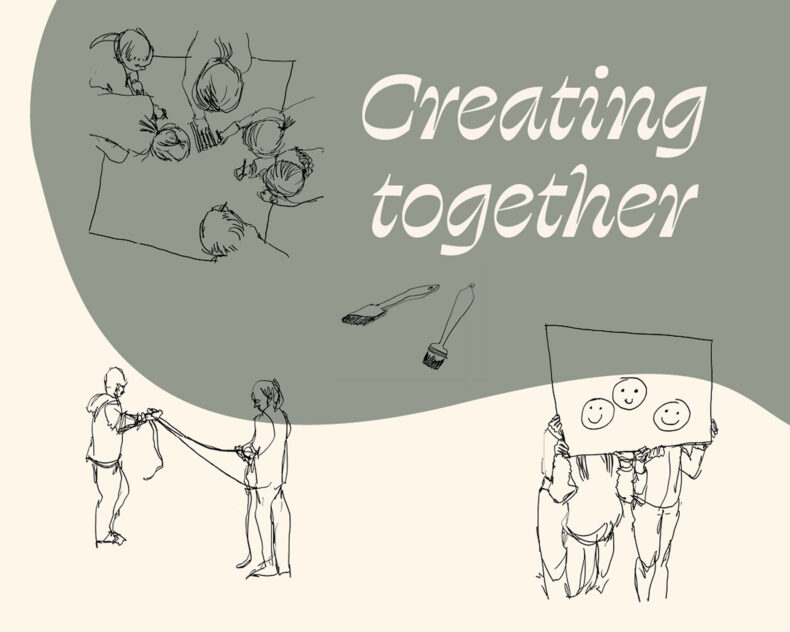
Creating together
Children and young people are active users of outdoor spaces and experts of their own living environment. Their perspectives, experiences, and everyday knowledge are valuable when designing yards, parks and other everyday spaces. When children and youth are included in the design process, environments become functional but also vibrant, inspiring, and meaningful. Participation in design is a collaborative process where the child’s voice influences the outcome. Alku workshops developed by Nomaji offer creative and participatory methods for design from the perspective of children and young people.
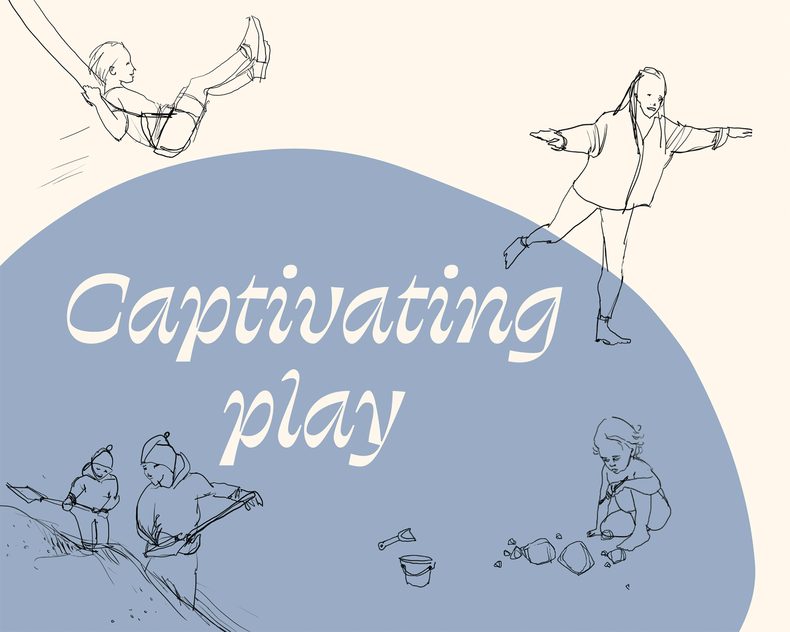
Captivating play
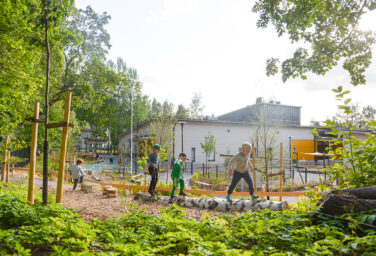
Play is a natural way for children to learn, make sense of the world and create social relationships on their own terms. Play is not limited to playgrounds, but for a child every environment can be a play environment. The physical environment can spark and enrich play, offering discoveries and learning experiences. Play cannot be designed directly, but space and opportunities for it can be provided. The landscape architect acts as an enabler of play, creating outdoor spaces that invite both free and guided play.
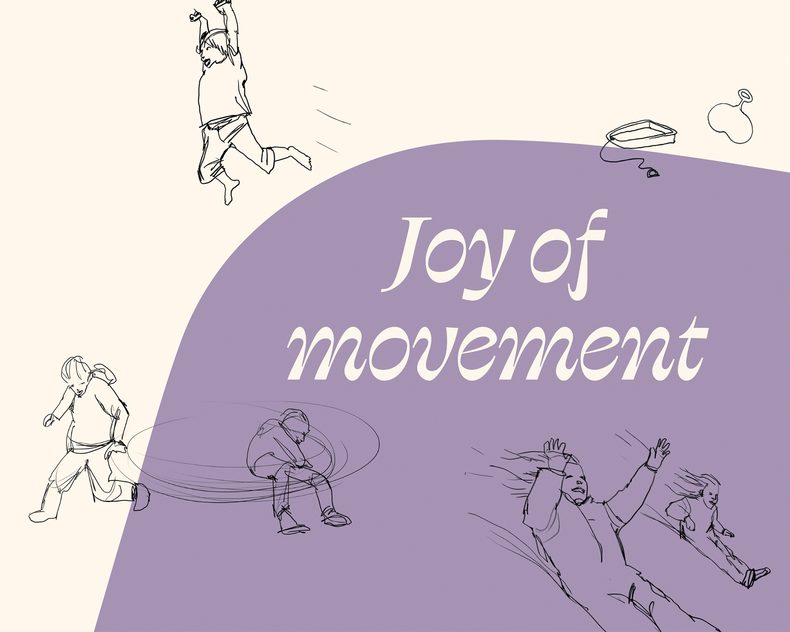
Joy of movement
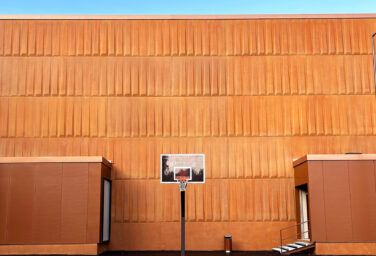
For children, movement becomes familiar through play. Movement improves physical fitness, coordination and balance, and helps develop creativity and improve learning. Movement habits adopted in childhood have long-lasting effects – they influence physical activity levels even later in life. The joy of movement often arises from small moments; a sense of achievement, learning a new skill, pleasant motion, shared play or a game. Urban planning can influence how appealing it is for children and young people to move in their everyday surroundings.
We design concrete solutions that consider children’s needs as part of urban development and help develop child-friendliness also at a strategic level. When design considers both a multispecies perspective and social wellbeing, it creates environments that serve both humans and the rest of nature. Alku is a way of thinking that invites us to listen, observe, and create together. It guides us toward cities where everyone can grow, learn, and thrive. A child’s perspective may be the compass that points us toward a hopeful and sustainable future.
For more information about the Alku method, see our book published in 2025:
Alku – child-friendly landscape architecture
Nomaji has also published a guide on nature-based play and exercise environments:
Leikin ja liikkeen lumo – opas luontopohjaisiin leikki- ja liikuntaympäristöihin (in Finnish, 2026)
Lekens och rörelsens förtrollande värld – guide till naturbaserade lek- och motionsmiljöer (Swedish translation, 2026)